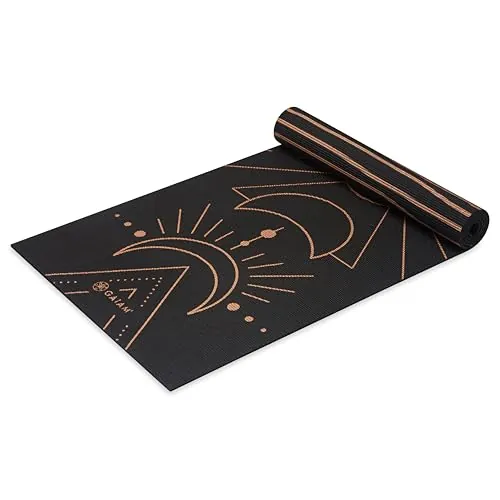
#1 Overall Winner
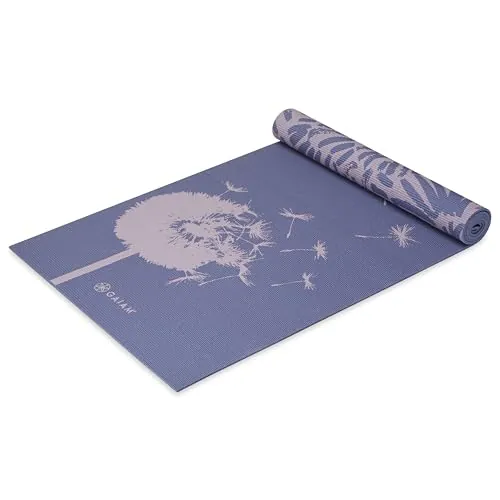
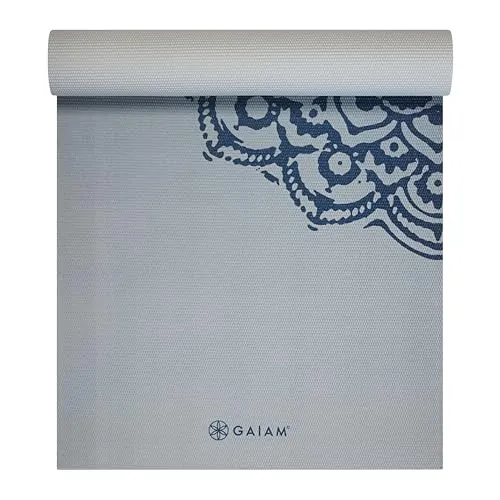
Gaiam Yoga Mat - Premium Print Reversible Extra Thick Non Slip Exercise & Fitness Mat for All Types of Yoga, Pilates & Floor Workouts
- Reversible printed design offers two looks in one mat.
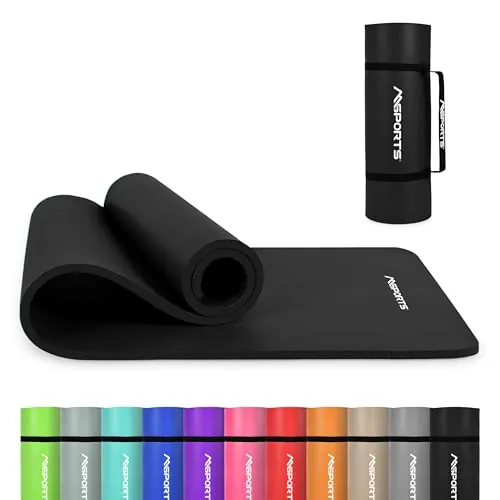
Comparison
Gaiam and MSPORTS both make well-reviewed non-slip mats for yoga, Pilates, stretching, and home floor workouts. Gaiam is the smaller, lower-priced, reversible option, while MSPORTS focuses on a wider surface and much deeper foam cushioning. Choose based on whether you value a more traditional yoga-mat feel and easier storage or maximum comfort and room for floor exercise.
#1 Overall Winner
Contender
Choose the Gaiam mat for lower cost, compact storage, reversible design, and a firmer yoga-oriented surface. Choose MSPORTS if extra width, length, and thick cushioning matter more for Pilates, stretching, or floor workouts. For standing balance work, Gaiam is likely the safer fit; for comfort-focused sessions, MSPORTS leads.
Overall winner
Depends on your needs
| Feature | Gaiam Yoga Mat - Premium Print Reversible Extra Thick Non Slip Exercise & Fitness Mat for All Types of Yoga, Pilates & Floor Workouts | MSPORTS Yoga Mat Premium Non Slip Thick – Extra Comfortable Exercise Mat for Home Workouts, Pilates, Stretching & Gym – Cushioned NBR Foam, Gym Mat with Strap, for Women & Men | Winner |
|---|---|---|---|
| Primary material | PVC | Nitrile Butadiene Rubber foam | Depends |
| Thickness | 6 mm | 0.6 in | MSPORTS Yoga Mat Premium Non Slip Thick – Extra Comfortable Exercise Mat for Home Workouts, Pilates, Stretching & Gym – Cushioned NBR Foam, Gym Mat with Strap, for Women & Men |
| Dimensions | 68 x 24 in | 74.5 x 32 in | MSPORTS Yoga Mat Premium Non Slip Thick – Extra Comfortable Exercise Mat for Home Workouts, Pilates, Stretching & Gym – Cushioned NBR Foam, Gym Mat with Strap, for Women & Men |
| Weight | 1.36 kg | 1.5 kg | Gaiam Yoga Mat - Premium Print Reversible Extra Thick Non Slip Exercise & Fitness Mat for All Types of Yoga, Pilates & Floor Workouts |
| Cushioning | Moderate, dense cushioning | Deep, soft foam cushioning | MSPORTS Yoga Mat Premium Non Slip Thick – Extra Comfortable Exercise Mat for Home Workouts, Pilates, Stretching & Gym – Cushioned NBR Foam, Gym Mat with Strap, for Women & Men |
| Standing-pose feel | More traditional mat feel | Soft, compressive foam | Gaiam Yoga Mat - Premium Print Reversible Extra Thick Non Slip Exercise & Fitness Mat for All Types of Yoga, Pilates & Floor Workouts |
| Grip feedback | Mixed, textured surface | Generally positive | MSPORTS Yoga Mat Premium Non Slip Thick – Extra Comfortable Exercise Mat for Home Workouts, Pilates, Stretching & Gym – Cushioned NBR Foam, Gym Mat with Strap, for Women & Men |
| Storage efficiency | Smaller standard footprint | Large, thick footprint | Gaiam Yoga Mat - Premium Print Reversible Extra Thick Non Slip Exercise & Fitness Mat for All Types of Yoga, Pilates & Floor Workouts |
| Portability extras | No strap listed | Carrying strap included | MSPORTS Yoga Mat Premium Non Slip Thick – Extra Comfortable Exercise Mat for Home Workouts, Pilates, Stretching & Gym – Cushioned NBR Foam, Gym Mat with Strap, for Women & Men |
| Initial odor | Odor may require airing out | Generally reported as low odor | MSPORTS Yoga Mat Premium Non Slip Thick – Extra Comfortable Exercise Mat for Home Workouts, Pilates, Stretching & Gym – Cushioned NBR Foam, Gym Mat with Strap, for Women & Men |
| Warranty | Lifetime guarantee | Not provided | Gaiam Yoga Mat - Premium Print Reversible Extra Thick Non Slip Exercise & Fitness Mat for All Types of Yoga, Pilates & Floor Workouts |
| Price | $27.99 | $39.99 | Gaiam Yoga Mat - Premium Print Reversible Extra Thick Non Slip Exercise & Fitness Mat for All Types of Yoga, Pilates & Floor Workouts |
| Best use | Yoga, Pilates, compact home use | Cushioned floor work, stretching, Pilates | Depends |
MSPORTS is the better recovery-routine surface for users who spend time on the floor after training. The thick NBR foam is repeatedly described as soft and protective during stretching and other low-impact exercise. Gaiam still offers useful cushioning for cool-downs, yoga, and light mobility, with a denser surface that some users may find more stable. Neither mat makes a therapeutic claim; the comparison is about practical comfort, space, and support for gentle movement.
Both mats support low-impact home training, including yoga, Pilates, stretching, mobility work, and bodyweight exercise. Gaiam better suits routines that move between standing and floor positions because its 6 mm profile is less compressive and its smaller footprint is easier to keep ready in a compact room. MSPORTS is better aligned with comfort-first routines involving kneeling, supine work, and extended stretching. Its larger surface also gives users more freedom to move without leaving the mat. Neither is primarily a cardio-training tool.
Neither product replaces a stable lifting platform, but both can support bodyweight drills, planks, core work, and light floor-based strength sessions. MSPORTS offers more padding and width for kneeling movements, sit-ups, and mobility between sets. However, one buyer specifically notes that feet sink into its soft foam, which may make it less suitable for users who want a firm base for standing squats or balance work. Gaiam provides less cushioning but a more grounded feel for mixed yoga and bodyweight routines.
Mobility and flexibility are the clearest shared uses. Gaiam provides enough cushioning for yoga poses and stretching while retaining a relatively conventional mat feel. MSPORTS has an advantage for longer stretching sessions and Pilates because its foam is thicker, wider, and frequently praised for protecting knees and joints from hard flooring. Both mats have favorable traction feedback overall, although Gaiam reviews are more divided when sweat is heavy. Users focused on relaxed, floor-based mobility will likely prefer MSPORTS; users practicing standing flows may prefer Gaiam.
For post-workout stretching and gentle floor-based recovery routines, MSPORTS has the stronger comfort profile. Its 0.6-inch foam and wider dimensions can make prolonged kneeling, lying, and stretching positions more comfortable on hard floors. Gaiam remains a useful recovery mat for users who prefer a firmer surface or need a smaller mat that stores easily. These products provide a training surface rather than a treatment, and their usefulness for recovery depends on the type of movement performed and individual comfort preferences.
Both mats appear effective within their intended role, with strong buyer ratings and repeated praise for comfort. Gaiam performs well as a standard yoga and fitness mat: its 6 mm thickness supports floor poses without making the surface excessively soft, and the textured finish is intended to improve traction. MSPORTS performs especially well where cushioning and coverage are priorities, with buyers often describing it as soft, roomy, and non-slip. The practical concern for Gaiam is inconsistent grip feedback during heavy sweating; for MSPORTS, it is foam compression during standing work and mixed reports of tearing.
MSPORTS offers slightly broader support for comfort-led home routines because its large surface and thick foam accommodate stretching, Pilates, bodyweight exercise, and users needing more room. The included strap also helps with transport. Gaiam is more convenient for consistent yoga practice in smaller spaces: it is lighter, less bulky, and easier to roll away after training. Beginners may appreciate either mat, but they should choose based on desired firmness. More advanced yoga users performing demanding standing sequences may find the less-squishy Gaiam platform more predictable.
For floor-based strength work, MSPORTS has the advantage in cushioning for planks, abdominal exercises, kneeling drills, and bodyweight sessions. Its 32-inch width also gives more room to change positions. Gaiam is the better option when a firmer base matters, such as mixed routines with standing squats, balance work, or transitions between poses. Neither product has adjustable resistance or a rigid construction intended for loaded lifting. Avoid treating either mat as a substitute for stable flooring when using heavy equipment.
Both mats are strong fits for mobility work, but their feel differs. Gaiam’s 6 mm cushioning is appropriate for yoga flows, warm-ups, and stretching where users still want contact with the floor for balance. MSPORTS is more comfortable for slow, supported stretches and Pilates exercises because its foam is thicker and its surface is larger. The softer MSPORTS construction can be an advantage for knees and elbows, while Gaiam may be preferable for users who dislike noticeable compression beneath their feet.
MSPORTS is the better recovery-routine surface for users who spend time on the floor after training. The thick NBR foam is repeatedly described as soft and protective during stretching and other low-impact exercise. Gaiam still offers useful cushioning for cool-downs, yoga, and light mobility, with a denser surface that some users may find more stable. Neither mat makes a therapeutic claim; the comparison is about practical comfort, space, and support for gentle movement.
Both products are intended to create a cushioned, textured surface for low-impact exercise, but safe use depends on matching the mat to the movement. Gaiam may offer a more stable feel for standing poses, although some buyers report reduced traction when sweating heavily. MSPORTS receives stronger grip feedback and provides more impact cushioning, but its soft foam may feel less secure for users who dislike foot compression during standing movements. Gaiam states that its initial odor is harmless and recommends airing it out. Follow the care guidance, use a flat surface, and inspect either mat for wear before exercise.
MSPORTS is the clear comfort-focused option. Its 0.6-inch NBR foam, greater width, and repeated praise for softness make it particularly suitable for knees, elbows, stretching, Pilates, and long floor sessions. Gaiam is also well regarded for cushioning, with many buyers finding its 6 mm profile comfortable and supportive. Its denser, less yielding surface may be preferable for people who want padding without a soft or squishy feel. The right choice depends on whether maximum protection or a more stable practice base matters more.
Both mats are simple, roll-out exercise surfaces with no assembly required. Gaiam is easier to integrate into small-space routines because it is smaller and lighter, although new users may need to air it out before first use. MSPORTS includes a carrying strap and is described as easy to clean, but its larger, thicker build can be harder to roll tightly and store. Choose Gaiam for lower day-to-day storage friction, or MSPORTS for a more comfortable setup that occupies more room.
Gaiam has the edge for a firmer, more stable underfoot feel during standing yoga and balance transitions. Its 6 mm construction provides cushioning without the deep compression associated with thick foam. MSPORTS receives favorable feedback for staying in place, but its softness can allow feet to sink into the mat; one buyer notes this can create a rocking sensation. For kneeling and floor work, that softness is beneficial. For balance-focused standing practice, Gaiam is the more suitable choice.
MSPORTS has the stronger grip case based on the provided feedback, with several buyers calling it genuinely non-slip, including during sweaty workouts. Gaiam’s textured surface is designed for traction and many buyers report good grip, but the review summary is more mixed. Some users find it slippery, especially with heavier sweating. For dry to moderately active yoga and general floor work, either may work well; for users prioritizing consistently positive traction feedback, MSPORTS is the safer pick.
Gaiam is substantially more space-efficient. At 68 x 24 inches and 6 mm thick, it is a standard-size mat that is easier to roll, store, and fit into a small home workout area. MSPORTS measures 74.5 x 32 inches and is 0.6 inches thick, so it occupies considerably more floor and storage space. That bulk is purposeful: it provides a larger and more cushioned exercise zone. Choose Gaiam for apartments or frequent storage; choose MSPORTS when dedicated floor space is available.
Noise is not a major differentiator for these non-motorized mats. Both can help soften direct contact between the body and a hard floor during low-impact exercise. No comparative buyer feedback on noise reduction was provided, so there is no clear winner beyond the likelihood that the thicker MSPORTS foam may provide more physical separation from the floor.
Gaiam has a textured PVC build with reversible printed surfaces and a relatively thin, standard yoga-mat profile. Buyers frequently describe it as attractive and well made, though reports on long-term resilience vary. MSPORTS uses thick NBR foam and is repeatedly described as soft, substantial, and high quality. Its construction favors cushioning over firmness, which is a meaningful design difference rather than an outright flaw. Some MSPORTS buyers report tears, so the thicker foam should not automatically be assumed to be more durable. Both mats have positive and mixed build feedback.
Durability is a less decisive area because both products receive mixed feedback. Many Gaiam buyers report that the mat remains in good condition, but others question its long-term durability. MSPORTS also receives positive comments for feeling sturdy, while some buyers report that it tears easily. The available reviews do not establish a clear longevity winner. Gaiam has an important practical advantage in this category because a lifetime guarantee is stated, while no equivalent MSPORTS warranty information was provided. Proper storage, cleaning, and avoiding abrasive surfaces may matter for either mat.
Both mats require routine care to preserve their surfaces. Gaiam specifically advises unrolling and airing the mat out for two to three days after opening because a strong initial odor may occur. MSPORTS is listed as hand-wash only and is described by buyers as easy to clean. The material differences matter: the PVC Gaiam mat may appeal to users who want a conventional wipe-clean yoga mat, while MSPORTS users should follow the hand-wash guidance for its NBR foam. No complex maintenance requirements were provided for either.
Portability is close but depends on what matters most. Gaiam is slightly lighter and much less bulky, so it is the more convenient option for compact storage and carrying to class. MSPORTS is marginally heavier but includes a strap, which makes transport more manageable. Its larger 74.5 x 32 inch dimensions and thick foam reduce rollability, however. For frequent travel or studio commuting, Gaiam is more practical; for occasional transport of a larger comfort mat, MSPORTS is workable.
Material disclosure is available for both products. Gaiam identifies PVC as its material and states that the mat is manufactured without the top six most harmful phthalates. MSPORTS identifies high-density NBR foam, formally listed as Nitrile Butadiene Rubber. Gaiam also provides specific care guidance about its initial odor and recommends airing the mat out. MSPORTS provides hand-wash-only care instructions. The available information supports a clear material comparison, but it does not provide a full composition or testing documentation for either mat.
Gaiam offers the stronger value proposition for a conventional yoga mat. It has the lower listed price, high-volume positive feedback, reversible designs, useful 6 mm cushioning, and a stated lifetime guarantee. MSPORTS costs more, but its price reflects a substantially larger, thicker foam format and an included strap. It can be better value for people who would otherwise need additional padding for floor exercise or who specifically need the wider surface. Do not choose on price alone: users who do not need deep foam may get more practical value from Gaiam, while comfort-focused users may benefit more from MSPORTS.
Gaiam has the stronger evidence-based trust case within this comparison. It has a larger review count, a high buyer rating, clearly stated material and dimensions, care guidance, an online video library, and a lifetime guarantee. MSPORTS also has a substantial volume of favorable buyer feedback and provides material, size, and care details, but no warranty information was supplied. This does not establish that one brand is universally more reliable; it means Gaiam provides more support-related information in the data available here.
Both mats have strong buyer satisfaction signals, with high star ratings and thousands of reviews. Gaiam buyers repeatedly praise the reversible appearance, comfort, thickness, and price. Its recurrent complaints concern the initial smell, variable grip, and inconsistent durability. MSPORTS buyers commonly praise the large size, thick padding, softness, grip, and usefulness for Pilates and floor exercise. Its primary criticisms are reduced rollability, a potentially overly soft feel for standing work, and occasional reports of tearing. Satisfaction is high for both, with product fit driving the most important differences.
Gaiam has the clearer support offering because it lists a lifetime guarantee. This is a meaningful advantage for buyers considering long-term ownership, although specific claim procedures were not provided. No warranty, return process, replacement policy, or spare-parts support details were supplied for MSPORTS. Buyers who consider coverage important should verify current terms with the seller before purchasing.
The provided specifications and review feedback support the basic use claims for both mats: each has stated dimensions, material information, cushioning details, and intended uses for yoga, Pilates, stretching, or floor workouts. Gaiam’s reversible design, 6 mm thickness, and lifetime guarantee are specifically listed. MSPORTS’ 0.6-inch NBR foam, larger dimensions, strap, and hand-wash care are also stated. Buyer feedback supports comfort and general grip impressions but should not be treated as proof of universal performance. Durability and no-slip claims remain less certain because reviews are mixed.
Gaiam is the stronger all-round choice for shoppers seeking a traditional yoga mat at a lower listed price. Its 6 mm cushioning, reversible design, compact dimensions, positive buyer feedback, and stated lifetime guarantee make it practical for regular yoga and small-space training. Its limitations are the reported initial odor and less consistent traction and durability feedback.
MSPORTS wins for deep cushioning and generous workout space. The thick NBR foam and wider dimensions are especially useful for Pilates, stretching, and comfort-focused floor routines, but they make the mat bulkier and potentially too soft for some standing work. Choose Gaiam for stability, storage, and value; choose MSPORTS for padding and room.
Overall winner
Depends on your needs
The better choice depends on the workout. The Gaiam is the more compact and lower-priced option, with reversible styling and a stated lifetime guarantee. MSPORTS is better suited to users who prioritize a much thicker, wider surface for Pilates, stretching, and comfortable floor exercise.
The Gaiam is likely the better fit for users who prefer a less soft surface under standing poses. Its 6 mm construction offers cushioning without the deep compression described in MSPORTS feedback. However, Gaiam grip reports are mixed, especially when users sweat heavily.
MSPORTS provides more cushioning on paper because it uses 0.6-inch NBR foam. Buyers frequently describe it as soft and comfortable for knees, joints, stretching, and floor work. Its softness may be less appealing to users who want a firmer, more grounded base.
Gaiam is the more practical choice for limited storage. Its 68 x 24 inch size and 6 mm profile are notably smaller than the 74.5 x 32 inch MSPORTS mat. MSPORTS can still be rolled, but its thicker and wider foam takes up more room.
Gaiam states that printed mats can have a strong but harmless odor when first unwrapped and recommends airing the mat out for two to three days. Several Gaiam reviews also mention this issue. MSPORTS is described as odor-free in its listing, and several buyers reported little or no odor.
Both mats are portable enough to roll up, but they make different trade-offs. MSPORTS includes a strap and is slightly heavier, while Gaiam is more compact and lighter. The thicker MSPORTS foam may be less convenient to roll tightly despite the included strap.
Gaiam has the stronger value case for buyers who need a standard-size yoga and floor-workout mat, as it costs less, has a large body of positive feedback, and includes a lifetime guarantee. MSPORTS can justify its higher price for users who will use its extra width and deeper cushioning.
Neither mat has uniformly positive durability feedback. Many buyers describe both as sturdy or well made, but some reports mention slipping or wear for Gaiam and tearing for MSPORTS. The Gaiam lifetime guarantee is a useful support detail, while comparable MSPORTS warranty information was not provided.
Check our rankings and expert guides to find the best fitness products for your goals.