TrainingRanker
Menu
Gaiam Premium Print Yoga Mat vs MSPORTS Premium Yoga Mat

Comparison

Gaiam Premium Print Yoga Mat vs MSPORTS Premium Yoga Mat

The Gaiam Premium Print Reversible Yoga Mat is a lighter, lower-cost 6 mm mat designed for yoga, Pilates, and floor exercise. The MSPORTS Premium Yoga Mat is a much thicker, larger NBR foam option built around cushioning and room to move. Choose Gaiam for compact value and a reversible design; choose MSPORTS for deeper padding, stronger reported grip, and a wider training surface.

Expert tested Data driven Unbiased reviews Updated 2 August 2026
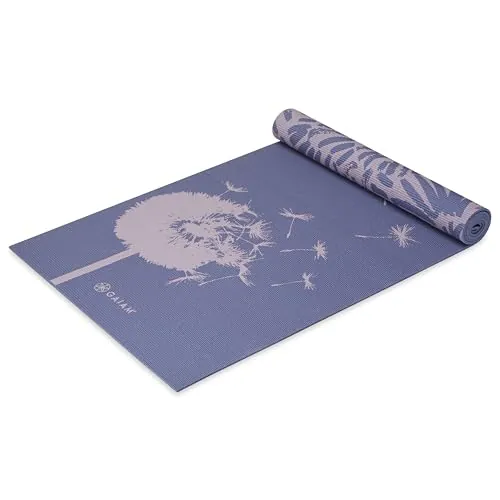
Gaiam Premium Print Reversible Yoga Mat

#1 Overall Winner

Gaiam Premium Print Reversible Yoga Mat

86/100
  • 6 mm cushioning provides supportive comfort for yoga, Pilates, and floor exercises.
View review
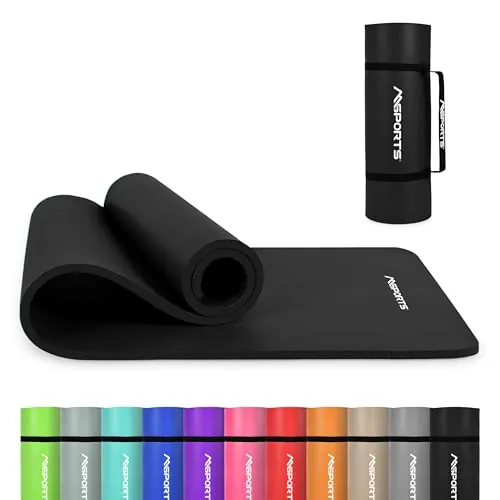
MSPORTS Premium Non Slip Thick Yoga Mat

Contender

MSPORTS Premium Non Slip Thick Yoga Mat

84/100
  • 0.6-inch NBR foam offers substantially deeper cushioning for knees, elbows, and floor work.
View review

Quick verdict

Choose the Gaiam mat if you want lower-cost, compact cushioning for yoga, Pilates, and everyday home workouts. Choose MSPORTS if your priority is a roomy, exceptionally padded surface for stretching and floor exercise. MSPORTS wins on comfort and grip; Gaiam wins on storage practicality, price, and all-round value.

Overall winner

Depends on your needs

At-a-glance comparison

Feature Gaiam Premium Print Reversible Yoga Mat MSPORTS Premium Non Slip Thick Yoga Mat Winner

Primary use

Yoga, Pilates, and floor workouts

Yoga, Pilates, stretching, and home workouts

Depends

Thickness

6 mm

0.6 inches

MSPORTS Premium Non Slip Thick Yoga Mat

Dimensions

68 by 24 inches

74.5 by 32 inches

MSPORTS Premium Non Slip Thick Yoga Mat

Material

PVC, free of six specified phthalates

NBR foam

Depends

Comfort

Supportive 6 mm cushioning

Very thick, soft foam cushioning

MSPORTS Premium Non Slip Thick Yoga Mat

Grip

Textured surface; feedback is mixed

Textured surface; feedback is strongly positive

MSPORTS Premium Non Slip Thick Yoga Mat

Storage

Smaller, thinner, and lighter

Thicker and wider; includes strap

Gaiam Premium Print Reversible Yoga Mat

Portability

3.12 pounds

1.5 kilograms with strap

Gaiam Premium Print Reversible Yoga Mat

Care

Spot clean; dry flat; avoid prolonged sun

Hand wash only

MSPORTS Premium Non Slip Thick Yoga Mat

Odor on arrival

Odor is specifically disclosed

Several buyers report little or no odor

MSPORTS Premium Non Slip Thick Yoga Mat

Durability feedback

Mixed

Mixed, including tear reports

Tie

Listed price

$20.90

$39.99

Gaiam Premium Print Reversible Yoga Mat

Overall value

Lower-cost, compact all-round mat

Higher-cost, comfort-led oversized mat

Depends

Detailed comparison

Recovery Support

MSPORTS is more useful for comfort-oriented stretching after exercise because the additional foam can reduce direct pressure from the floor during gentle mobility work. Gaiam is also well suited to cooldown routines, with buyer feedback noting supportive cushioning for knees and wrists. The practical advantage shifts to Gaiam if the mat must be stored in a small home between sessions. Neither product should be viewed as a treatment tool; their role is to provide a more comfortable exercise surface.

Training Use

Both mats support low-impact training at home, including yoga flows, Pilates, mobility routines, stretching, planks, and bodyweight floor sessions. Gaiam is the more versatile everyday choice for people who alternate between yoga and general exercise but need a mat that can be rolled away without much fuss. MSPORTS has the advantage for comfort-led routines because its larger, thicker surface gives more usable room and more separation from a hard floor. For standing yoga sequences requiring a firmer base, Gaiam may feel more controlled; for floor-heavy workouts, MSPORTS is the stronger fit.

Strength Training

Neither product is a substitute for a lifting platform or a mat designed to absorb dropped-weight impact. For bodyweight strength work, core training, planks, and light floor exercises, MSPORTS offers more cushioning and width, which can be useful for kneeling and supine movements. Gaiam provides a firmer, thinner base that may feel more stable under hands and feet for controlled bodyweight work. The supplied reviews describe MSPORTS as suitable for weightlifting support, but also note that its foam can compress under the feet.

Cardio Training

Neither mat is primarily a cardio-training product, and neither has supplied features for tracking, resistance, or conditioning progression. Both can provide a more comfortable surface for low-impact warm-ups, cooldowns, or mat-based cardio movements. Gaiam is likely easier to move, roll out, and store between short sessions. MSPORTS offers more cushioning for floor-based conditioning but occupies more space. For high-impact cardio, the provided data does not establish either mat as the better dedicated option.

Mobility & Flexibility

Both products are highly suitable for mobility, stretching, yoga, and Pilates. MSPORTS has the comfort advantage for long-held stretches, kneeling positions, and floor sequences because of its deeper foam and wider area. Gaiam offers adequate cushioning with a more conventional yoga-mat feel, which may be preferable for users who want less compression beneath their hands and feet. Gaiam's reversible design may appeal to frequent yoga users, while MSPORTS is more compelling for people who want to spread out during mobility work.

Recovery

For gentle post-workout stretching and relaxation-oriented floor routines, both mats can provide a more comfortable surface than bare flooring. MSPORTS is the better recovery-routine choice where padding is the main concern, as its thicker foam is repeatedly praised for cushioning knees, elbows, and joints. Gaiam remains a good option for shorter stretching sessions and users who need a mat that stores compactly. These products provide surface comfort only; the supplied data does not support broader recovery claims.

Performance

Both mats appear to perform well for their intended low-impact exercise roles, but they emphasize different qualities. Gaiam offers a dense 6 mm surface that buyers often find supportive for poses, knees, and wrists, while its reversible textured finish is intended to provide traction. MSPORTS performs especially well where softness and floor cushioning are needed, with many buyers describing it as comfortable and non-slip. The main performance caution for Gaiam is mixed grip feedback when users sweat heavily. For MSPORTS, the very soft foam may be less suitable for users seeking a firm, planted feel in standing poses.

Training Support

Gaiam and MSPORTS both work well as accessible foundations for consistent home routines, and both include a beginner-oriented workout resource. Gaiam supports regular use through its lighter, compact dimensions and simple roll-up storage, reducing friction for users with limited space. MSPORTS supports longer floor sessions with a wider and longer area that accommodates more stretching positions and bodyweight movements. Beginners who need comfort may prefer MSPORTS, while beginners who want an easy-to-store, less expensive mat may prefer Gaiam. Neither mat provides adjustable resistance or progression features.

Strength Training Analysis

For mat-based strength sessions, MSPORTS has an advantage in cushioning for knees, elbows, and floor-based core work. Its wider format can also give more room for movements such as mountain climbers, planks, and bodyweight drills. However, a review notes that the soft foam allows the feet to sink during squats, which may not suit users who want a firm standing base. Gaiam's denser 6 mm platform is likely more controlled for bodyweight balance and plank work, though it provides less impact separation from the floor.

Cardio Training Analysis

The provided information gives neither mat a meaningful advantage for dedicated cardio training. Both are most relevant as surfaces for low-impact movement, mobility work, or floor conditioning before and after cardio sessions. Gaiam's lighter, smaller design is more convenient to set up and put away. MSPORTS offers more protection for floor exercises but is thicker and less compact. Buyers seeking equipment for sustained conditioning should not choose between these mats based on cardio capability alone.

Mobility & Flexibility Analysis

MSPORTS is the stronger option for cushioning-focused mobility and flexibility work. Its 0.6-inch foam and wider dimensions can make kneeling, seated, and lying stretches more comfortable, especially on hard household flooring. Gaiam still provides strong support for yoga and mobility through its 6 mm cushioning and textured surface, while its firmer profile can suit users who want more direct contact with the floor during standing transitions. Both are appropriate for Pilates and stretching; comfort preference is the deciding factor.

Recovery Support

MSPORTS is more useful for comfort-oriented stretching after exercise because the additional foam can reduce direct pressure from the floor during gentle mobility work. Gaiam is also well suited to cooldown routines, with buyer feedback noting supportive cushioning for knees and wrists. The practical advantage shifts to Gaiam if the mat must be stored in a small home between sessions. Neither product should be viewed as a treatment tool; their role is to provide a more comfortable exercise surface.

Gaiam Premium Print Reversible Yoga Mat

Pros

  • 6 mm cushioning provides supportive comfort for yoga, Pilates, and floor exercises.
  • Reversible textured surface offers two printed design options.
  • Compact 68 by 24 inch format rolls up for practical storage.
  • Made from PVC that is free from six specified phthalates.
  • Strong buyer feedback for comfort, appearance, and price.
  • Includes a downloadable yoga workout.

Cons

  • Some buyers report an unpleasant odor when the mat is first unwrapped.
  • Grip feedback is mixed, particularly for users who sweat heavily.
  • Durability feedback is inconsistent despite many positive quality comments.
  • The 24-inch width is a conventional yoga-mat size and offers less room than MSPORTS.
  • Extended sun exposure may cause fading and brittleness according to the care guidance.
Gaiam Premium Print Reversible Yoga Mat

MSPORTS Premium Non Slip Thick Yoga Mat

Pros

  • 0.6-inch NBR foam offers substantially deeper cushioning for knees, elbows, and floor work.
  • Longer and wider 74.5 by 32 inch surface gives more room for stretching and home workouts.
  • Customer feedback frequently praises its traction and soft feel.
  • Includes a carrying strap and a yoga e-book.
  • Hand-wash care is straightforward.
  • Well suited to Pilates, stretching, and low-impact exercise where padding is the priority.

Cons

  • The soft, thick foam can feel less firm for standing balance work.
  • Its larger, thicker format is less space-efficient when rolled and stored.
  • Some customer feedback reports tearing, so long-term wear is not uniformly positive.
  • It costs more than the Gaiam mat based on the provided prices.
  • The available product details do not specify a phthalate-free standard or similar material disclosure.
MSPORTS Premium Non Slip Thick Yoga Mat

Final verdict

The Gaiam Premium Print Reversible Yoga Mat is the better overall choice for most shoppers. It offers a balanced combination of 6 mm cushioning, compact dimensions, reversible styling, detailed material disclosure, strong buyer feedback, and a lower listed price. Its main drawbacks are the initial odor and inconsistent reports on grip and long-term wear.

The MSPORTS Premium Non Slip Thick Yoga Mat is the better comfort-first alternative. Its deeper foam, larger surface, and stronger reported traction make it especially appealing for Pilates, stretching, and floor-based home workouts. Its limitations are the bulkier storage footprint, softer feel for standing movements, and mixed tearing feedback. Pick Gaiam for practical all-round value; pick MSPORTS when maximum padding and space are non-negotiable.

Overall winner

Depends on your needs

Frequently asked questions

Which is better, the Gaiam Premium Print Reversible Yoga Mat or the MSPORTS Premium Non Slip Thick Yoga Mat?

The Gaiam is the stronger all-round value choice for buyers wanting a lighter, conventional-size yoga mat with a reversible design. MSPORTS is the better fit when maximum cushioning and a larger workout area matter more than compact storage. Both have positive buyer feedback, but each also has mixed durability reports.

Which mat is better for Pilates and floor workouts?

MSPORTS is generally the better match for Pilates and floor workouts because its 0.6-inch foam, 74.5-inch length, and 32-inch width provide more padding and usable space. Gaiam remains suitable for these routines, particularly for users who prefer a firmer, more compact 6 mm yoga-mat format.

Which yoga mat is easier to store?

Gaiam is the more storage-friendly option. It is shorter, narrower, thinner, and lighter than the MSPORTS mat, so it is likely to be easier to roll and place in a mat bag or cupboard. MSPORTS includes a strap, but its thick foam and wider dimensions create a bulkier roll.

Is the MSPORTS mat too soft for yoga balance poses?

It depends on the practice. Customer feedback describes MSPORTS as soft and squishy, with one reviewer noting that feet can sink into it during standing work. That may be welcome for comfort-focused exercise, but users who prefer a firmer base for balance poses may favor the thinner Gaiam mat.

Which mat has better grip?

MSPORTS has the clearer advantage for grip based on the supplied comparison data and repeated customer comments describing it as non-slip. Gaiam also has a textured sticky surface and many positive traction comments, but its review overview notes mixed feedback, including reports of slipping during sweaty sessions.

Which mat is better for sore knees during floor exercise?

MSPORTS is the more cushioning-focused choice, with 0.6-inch NBR foam and frequent buyer praise for knee and joint comfort. Gaiam's 6 mm surface is also well regarded for cushioning knees and wrists, but it does not offer the same depth of padding as MSPORTS.

Do either of these mats have an odor when new?

Gaiam explicitly advises airing the printed mat out for two to three days because a harmless odor may be present after unwrapping. Some buyers say the smell fades, while others find it unpleasant. MSPORTS is described by several reviewers as having little or no strong odor, although that is buyer feedback rather than a guarantee.

Which mat offers better value?

Gaiam offers the better value for buyers who want reliable cushioning, a reversible design, and a lower listed price. MSPORTS costs more but adds notably greater thickness, length, width, and a carrying strap. The better value therefore depends on whether compact practicality or extra comfort and room is more important.

Related comparisons

Still not sure which one to choose?

Check our rankings and expert guides to find the best fitness products for your goals.

View all rankings