#1 Overall Winner
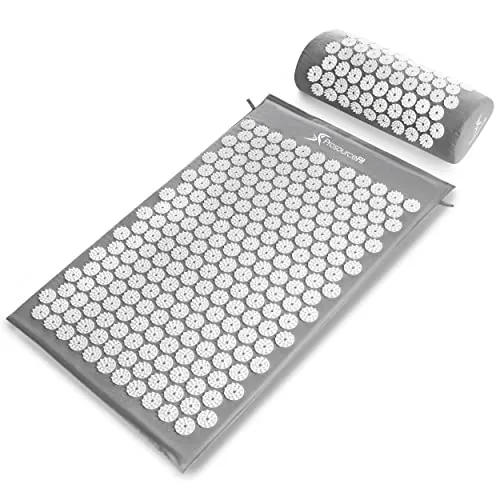
ProsourceFit Acupressure Mat and Pillow Set for Back/Neck Pain Relief and Muscle Relaxation
- Includes both an acupressure mat and a neck pillow for back, neck, and foot use.
Comparison
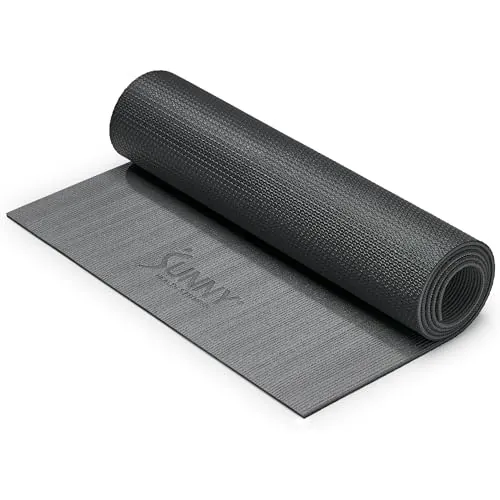
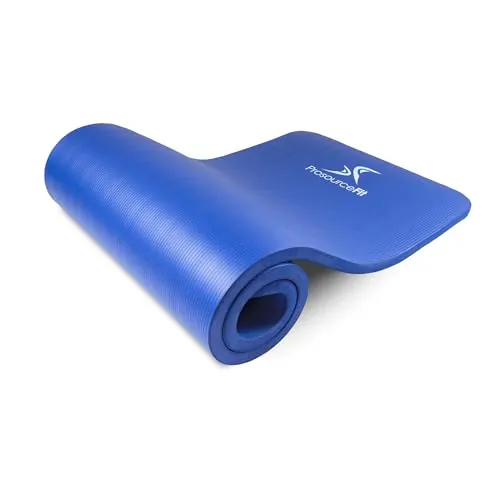
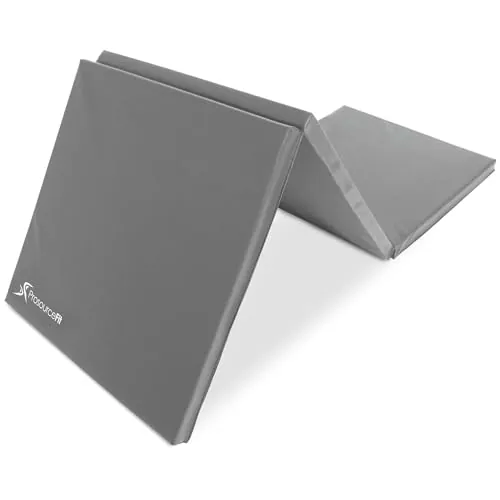
The ProsourceFit Acupressure Mat and Pillow Set and ProSource Tri-Fold Exercise Mat are both portable home-use mats, but they have very different roles. The acupressure set is geared toward pressure-based relaxation sessions, while the folding mat provides a cushioned surface for stretching, core work, gymnastics, and general floor exercise. For active training, the Tri-Fold Mat is the more versatile choice. For compact, low-cost relaxation use, the Acupressure Set remains a relevant specialist option.
#1 Overall Winner
Contender
Choose the ProSource Tri-Fold Exercise Mat for stretching, core training, gymnastics practice, and comfortable home floor workouts. Choose the ProsourceFit Acupressure Set if your priority is a compact pressure-point accessory for relaxation-focused sessions. The folding mat is the better general-purpose purchase; the acupressure set is the better niche recovery add-on.
Overall winner
Depends on your needs
| Feature | ProsourceFit Acupressure Mat and Pillow Set for Back/Neck Pain Relief and Muscle Relaxation | ProSource Tri-Fold Folding Thick Exercise Mat 6’x2’ with Carrying Handles for MMA, Gymnastics, Stretching, Core Workouts | Winner |
|---|---|---|---|
Primary role |
Pressure-point relaxation accessory |
Cushioned training surface |
Depends |
Recovery use |
Back, neck, and foot pressure sessions |
Comfortable surface for gentle floor routines |
Tie |
Mobility and stretching |
Passive relaxation-oriented use |
Spacious padded surface for movement |
ProSource Tri-Fold Folding Thick Exercise Mat 6’x2’ with Carrying Handles for MMA, Gymnastics, Stretching, Core Workouts |
Strength floor work |
Not intended as an exercise surface |
Suitable for core and floor exercises |
ProSource Tri-Fold Folding Thick Exercise Mat 6’x2’ with Carrying Handles for MMA, Gymnastics, Stretching, Core Workouts |
Comfort |
Intense at first; tolerance varies |
Thick, moderately firm cushioning |
ProSource Tri-Fold Folding Thick Exercise Mat 6’x2’ with Carrying Handles for MMA, Gymnastics, Stretching, Core Workouts |
Portability |
1.8-pound compact set |
Tri-fold design with handles |
ProsourceFit Acupressure Mat and Pillow Set for Back/Neck Pain Relief and Muscle Relaxation |
Storage |
Very compact |
Folds for closets and trunks |
Tie |
Materials disclosed |
Linen, cotton, plant-based foam, and ABS details listed |
EPE foam and PVC listed |
ProSource Tri-Fold Folding Thick Exercise Mat 6’x2’ with Carrying Handles for MMA, Gymnastics, Stretching, Core Workouts |
Cleaning |
No detailed care instructions provided |
Wipe with damp cloth and mild detergent |
ProSource Tri-Fold Folding Thick Exercise Mat 6’x2’ with Carrying Handles for MMA, Gymnastics, Stretching, Core Workouts |
Durability feedback |
Some concerns over thin materials |
Generally positive, with possible cover wear over time |
ProSource Tri-Fold Folding Thick Exercise Mat 6’x2’ with Carrying Handles for MMA, Gymnastics, Stretching, Core Workouts |
Value focus |
Lower-cost specialised accessory |
Versatile padded mat with warranty |
Depends |
Warranty information |
Not provided |
Limited lifetime warranty for manufacturing defects |
ProSource Tri-Fold Folding Thick Exercise Mat 6’x2’ with Carrying Handles for MMA, Gymnastics, Stretching, Core Workouts |
For passive recovery-style use, the Acupressure Set is more targeted. Its pressure-point design, back-length mat, and neck pillow are specifically positioned for lying-down sessions, and many customers describe feelings of relaxation after use. However, the product’s own pain-reduction and recovery language should be treated as listing claims rather than a guarantee of individual results.
The Tri-Fold Mat is better for recovery routines involving gentle exercise, comfortable stretching, or floor-based movement. It also offers much greater immediate comfort. The better option depends on whether recovery means stillness and pressure or supported movement.
The Tri-Fold Exercise Mat has the broader training role. It provides a stable, padded area for bodyweight work, core sessions, stretching, gymnastics drills, martial arts practice, and general floor exercise. The Acupressure Set does not provide a conventional workout surface and is best used outside the main session, such as during a quiet wind-down or relaxation period.
For a buyer building a practical home-gym foundation, the folding mat is the more useful first purchase. The acupressure option makes more sense as a supplementary tool for users who know they enjoy its pressure-point style.
The Tri-Fold Mat is clearly more relevant to strength-focused floor training. Its thick cushioning can make bodyweight movements, core drills, and exercise positions that load the knees, wrists, elbows, or back more comfortable on hard floors. The Acupressure Set is not designed to support resistance exercise, provide workout stability, or protect flooring.
Neither product replaces weights, bands, or a lifting platform, but the folding mat is the useful choice for floor-based strength sessions. The acupressure set should be kept for non-training relaxation use rather than used during exercises.
Both products can fit a mobility-focused routine, but they contribute differently. The Tri-Fold Mat supports active movement by cushioning stretches, yoga poses, floor transitions, and longer mobility sessions. Its length and moderate firmness are more appropriate for maintaining positions and moving through a range of motion.
The Acupressure Set is more passive. It may suit users who want to lie down after training or use the pillow beneath the neck or feet, but it does not provide the comfort or usable area required for a full stretching practice. For mobility training itself, the folding mat is the better choice.
The Acupressure Set is the more purpose-specific recovery accessory because its mat and pillow are intended for pressure-point relaxation use. Many buyers report a warm, calming sensation after acclimating to the initial intensity, although these individual experiences do not establish the product’s claims for every user. Its compact form also makes short sessions easy to fit into a routine.
The Tri-Fold Mat supports recovery more indirectly by creating a comfortable place for gentle movement, stretching, and floor work. Choose the acupressure set for pressure-based relaxation preferences and the folding mat for an active recovery or mobility routine.
Each product performs best when judged by its intended role. The Acupressure Set provides a dense pressure-point surface and includes a separate pillow, with many reviews describing it as useful for relaxation and feelings of reduced tension after they adapt to the sensation. Its performance is limited by the fact that some users find it too painful or uncomfortable to use consistently.
The Tri-Fold Mat performs more reliably as a conventional exercise mat. Its thick foam, long rectangular surface, and durable wipe-clean cover directly support floor training and stretching. Customer feedback repeatedly highlights cushioning and practical versatility, giving it the clearer advantage for general exercise use.
The Tri-Fold Mat offers stronger support for consistent training because it can be used across multiple workout formats without requiring a specialised tolerance. Its cushioned surface is relevant for core training, bodyweight work, stretching, gymnastics practice, and floor-based mobility, while folding storage lowers the friction of keeping it at home.
The Acupressure Set can support a post-session routine, but it has limited usefulness during training itself. Its intense first-contact sensation may also make it less approachable for beginners. Users looking for a single mat to encourage regular home workouts should choose the Tri-Fold Mat; users seeking a separate relaxation ritual may prefer adding the Acupressure Set later.
The Tri-Fold Mat is the practical strength-training choice because it provides 1.5 inches of cushioning beneath the body during floor-based movements. This can be useful for core work, bodyweight exercise, and routines that involve kneeling or supported positions. Its rectangular surface also offers more predictable positioning than a small pressure-point mat.
The Acupressure Set has no stated role in load progression, grip, exercise stability, or resistance work. It may be used after a workout by users who tolerate it well, but it should not be treated as a strength-training surface.
The Tri-Fold Mat has a clear advantage for mobility and flexibility training. Its six-foot length allows most users to lie down comfortably, while the foam cushioning supports floor stretches, yoga poses, and transitions without direct contact with hard flooring. Its moderate firmness is intended to retain shape rather than collapse under normal use.
The Acupressure Set can be part of a passive relaxation routine, and some users place the pillow under their feet, but it is not a substitute for an exercise mat during movement-based mobility sessions. The folding mat better supports regular, varied practice.
For passive recovery-style use, the Acupressure Set is more targeted. Its pressure-point design, back-length mat, and neck pillow are specifically positioned for lying-down sessions, and many customers describe feelings of relaxation after use. However, the product’s own pain-reduction and recovery language should be treated as listing claims rather than a guarantee of individual results.
The Tri-Fold Mat is better for recovery routines involving gentle exercise, comfortable stretching, or floor-based movement. It also offers much greater immediate comfort. The better option depends on whether recovery means stillness and pressure or supported movement.
The Tri-Fold Mat is the more appropriate option where workout safety depends on cushioning and controlled positioning. Its foam surface is intended to support joints during floor exercise, although users should check that it does not slide on their particular flooring and should inspect the cover if it becomes worn. It is not presented as a crash mat for high-risk activities beyond its stated uses.
The Acupressure Set does not puncture skin according to the listing, but its pressure points can feel intense and may leave temporary redness or impressions according to reviews. Users should stop if the sensation is not tolerable and should not treat review anecdotes as personal medical guidance.
The Tri-Fold Mat has a decisive comfort advantage. Its 1.5-inch foam padding is repeatedly praised for helping make floor exercises, stretching, and kneeling positions more manageable, while retaining a moderately firm feel for exercise. It is designed to reduce direct pressure from hard flooring.
The Acupressure Set intentionally creates the opposite first impression: many users report sharp discomfort in the opening minutes before a potentially calming sensation develops. Some enjoy this experience after acclimation, but it will not suit every sensitivity level. Choose the folding mat for immediate, general comfort.
The Tri-Fold Mat is easier for most people to use immediately: unfold it, place it on the floor, train, wipe it down if needed, and fold it away using the carrying handles. It needs no special technique for standard floor workouts.
The Acupressure Set is also simple mechanically, but it has a learning curve because users must manage the intensity of the pressure points and find a tolerable position. Reviews suggest that short sessions, gradual exposure, or a thin clothing layer may make the first uses more manageable.
The Tri-Fold Mat is designed to create a more stable and cushioned floor surface, and customers generally report good support during exercise. One review recommends adding grips underneath to reduce sliding, so traction may depend on the floor beneath it. The Acupressure Set is intended for lying or seated pressure sessions rather than dynamic exercise and should not be used where a stable workout base is required.
For controlled movement, floor transitions, and bodyweight training, the folding mat is the safer practical option.
Grip is more relevant to the Tri-Fold Mat, whose vinyl surface provides a conventional exercise area. Feedback is broadly positive, though at least one buyer suggests using additional grips underneath if the mat slides on the floor. The Acupressure Set’s pressure points are intended to contact the body rather than provide traction for hands or feet during exercise.
For workouts requiring stable hand and foot placement, the Tri-Fold Mat is the more appropriate option, subject to the surface beneath it.
Neither product offers conventional adjustment settings such as resistance levels or height changes. The Acupressure Set provides some practical variation because users can position the mat or pillow under different body areas and alter contact with clothing. The Tri-Fold Mat can be used flat for a longer surface or folded for additional padding, which gives it a modest setup advantage.
For exercise-surface flexibility, the Tri-Fold Mat is more adaptable. For targeting different pressure areas while lying down, the Acupressure Set offers a different form of versatility.
Both products are highly practical for space-conscious homes. The Acupressure Set is the more compact option at 1.8 pounds and is easy to keep in a drawer, shelf, or travel bag. The Tri-Fold Mat takes more room because it opens to 72 by 24 inches, but its three-panel design, carrying handles, and rectangular folded shape make closet or car-trunk storage straightforward.
Choose the acupressure set for minimal storage demand. Choose the folding mat if you need a full exercise surface that can still be packed away after use.
Neither product creates meaningful operational noise. The Acupressure Set is used while lying or sitting, and the Tri-Fold Mat can reduce the direct impact and contact noise of floor-based movement compared with exercising directly on a hard surface. The folding mat may be the more useful option in shared homes where a softer training surface is preferred.
The Tri-Fold Mat has the stronger construction case. It combines an EPE foam interior with a vinyl cover intended to resist tears during normal use, and customer feedback often praises its even cushioning and ability to hold up over time. Its stitched folding layout and integrated carrying handles also suit repeated setup and storage.
The Acupressure Set is simple and lightweight, but build feedback is more mixed. While many buyers find it effective and adequately made for the price, some specifically describe the fabric and foam as thin. Its construction is sufficient for its compact specialist role, but it is less robustly supported by the available feedback.
The Tri-Fold Mat receives more favourable durability evidence. Several buyers report extended use with little wear, and its foam is marketed as shape-retaining. Still, some reviews note that the exterior can eventually develop holes and may need patching after repeated stress, so it should not be considered indestructible.
The Acupressure Set has fewer clear long-term construction positives and more comments questioning the thin fabric and foam. Its simple, low-weight design is easy to store, but buyers prioritising material longevity and regular workout use have stronger support for choosing the folding mat.
The Tri-Fold Mat has the clearer maintenance advantage. Its vinyl covering can be wiped with a damp cloth, mild detergent can be used when needed, and it should be air dried. This makes it practical for repeated workout use and shared household environments.
No detailed cleaning process was provided for the Acupressure Set. Its textile-covered design and many pressure points may require more care than a smooth vinyl surface. For buyers who prioritise simple wipe-down cleaning, the Tri-Fold Mat is the more straightforward choice.
The Acupressure Set is more portable in absolute terms: it weighs 1.8 pounds and is significantly smaller than a full exercise mat. It is easy to bring along when the goal is a compact relaxation accessory. The Tri-Fold Mat is also portable for its category, using a tri-fold construction and two handles, but its larger padded form is better suited to car transport, classes, or moving around the home.
For travel-light convenience, choose the acupressure set. For portable exercise space, choose the folding mat.
Material information is clearer for the Tri-Fold Exercise Mat. It identifies EPE foam and a PVC vinyl covering, gives dimensions and thickness, and includes specific cleaning instructions. The Acupressure Set lists natural linen, thick cotton, plant-based eco foam, and ABS in different parts of its product information, but the descriptions are less consistent about how these materials relate to each component.
Neither product is consumable, so ingredient-style nutrition disclosure does not apply. For buyers sensitive to materials or odours, the provided listings offer more direct care and construction detail for the folding mat.
Both products present credible value, but for different shoppers. The Acupressure Set costs less and has a very large body of customer feedback supporting its usefulness as a simple relaxation tool. Its value is strongest for buyers who know they want a pressure-point product and can tolerate its initial intensity. Material-quality concerns should be considered at this price level.
The Tri-Fold Mat costs more but covers far more training scenarios, including stretching, floor exercise, gymnastics practice, and mobility work. Its durable-material description, easy-care surface, positive satisfaction feedback, and limited lifetime warranty strengthen its value case for a primary home-workout mat.
Both products come from ProsourceFit, so the comparison does not show a meaningful brand-versus-brand difference. The available information does show a substantial review history for each item, with stronger current buyer satisfaction and more consistent product-use feedback for the Tri-Fold Mat. The folding mat also has stated limited lifetime warranty coverage, which adds practical purchase reassurance.
For the Acupressure Set, the high volume of feedback provides useful evidence that many buyers have tried the format, though individual experiences vary widely because comfort and pressure tolerance are personal.
Both products have substantial positive customer feedback, but the Tri-Fold Mat has the clearer satisfaction pattern. Reviews repeatedly praise its cushioning, comfort, foldability, easy cleaning, and broad usefulness for activities from floor exercise to gymnastics. Long-term comments are generally favourable, even though some users report eventual cover wear.
The Acupressure Set also has a large and largely positive review base, with recurring praise for relaxation and tension-focused sessions. Its satisfaction is more conditional: many enthusiastic reviews acknowledge that the initial experience is painful, and some buyers dislike the intensity or question the thin materials. The folding mat is the safer choice for broadly predictable satisfaction.
The ProSource Tri-Fold Folding Exercise Mat includes a limited lifetime warranty for manufacturing defects, providing a stated support framework for eligible product issues. No warranty or support details were supplied for the ProsourceFit Acupressure Mat and Pillow Set. Buyers considering either product should confirm the current retailer return policy and the manufacturer’s applicable warranty terms before ordering.
The Tri-Fold Mat’s central claims are relatively easy to assess from its specifications and buyer feedback. Its stated size, thickness, foam type, foldable construction, handles, wipe-clean cover, and intended training uses are concrete and align with repeated reports of cushioning and storage convenience. Durability is supported by many reviews, though cover wear remains a realistic limitation.
The Acupressure Set provides specific construction details and a clearly identifiable pressure-point design, but broader claims around pain reduction, energy, and recovery should be treated carefully. Reviews describe personal experiences, not clinical proof, and the product may feel too intense for some users. Its strongest support is as a subjective relaxation accessory.
The ProSource Tri-Fold Folding Exercise Mat wins this comparison as the more complete and dependable option for most home users. Its main strengths are thick cushioning, versatile floor-training support, easy cleaning, fold-away storage, and consistently strong buyer feedback. Its main limitations are its larger size relative to the acupressure set and the possibility of cover wear with heavier use.
The ProsourceFit Acupressure Mat and Pillow Set remains a worthwhile specialist choice for people who want compact, pressure-based relaxation sessions. It is easy to store and offers strong perceived value, but its intense first-contact feel and mixed material-quality feedback make it less universally suitable. Pick the folding mat for active workouts; pick the acupressure set only when its specific pressure-point experience is the priority.
Overall winner
Depends on your needs
The Tri-Fold Exercise Mat is the stronger all-round choice for most home training because it provides cushioning for stretching, core work, gymnastics, and other floor exercises. The Acupressure Set is the more specialised option for users who specifically want a compact pressure-point relaxation tool and are comfortable with its intense initial feel.
The ProSource Tri-Fold Folding Exercise Mat is better suited to active stretching and mobility work because its padded six-foot surface gives users room and support for floor positions. The Acupressure Set can fit a relaxation-focused wind-down routine, but its pressure points do not replace a stable exercise surface.
Comfort is the main trade-off with the acupressure set. Many reviewers report that the first minutes feel sharp or intense before becoming more relaxing, while others find the sensation too uncomfortable. Starting with shorter sessions or a light layer of clothing is a commonly reported way to ease into use.
The Tri-Fold Exercise Mat is better for home workouts. Its EPE foam cushioning, 72-by-24-inch exercise area, and wipe-clean vinyl cover support floor exercises, core work, stretching, and practice-based activities. The Acupressure Set is better viewed as a separate relaxation accessory used before or after training.
Both products store conveniently, but the Acupressure Set has the edge for the smallest spaces because it is lighter and more compact. The Tri-Fold Mat folds into three sections and has carrying handles, making it practical for closets and car trunks, though it remains the larger item overall.
It can support bodyweight, core, and floor-based strength routines by providing cushioning under knees, wrists, elbows, and the back. It is not a substitute for weight-training equipment or a purpose-built lifting platform, but it is a more appropriate training surface than the acupressure mat for floor exercise.
Buyer feedback on the Tri-Fold Mat is broadly positive for durability, with several reports of long-term use, although some users note that its outer cover can wear or develop holes over time. The Acupressure Set receives more mixed build feedback, including comments about thin fabric and foam.
The Tri-Fold Folding Exercise Mat is listed with a limited lifetime warranty covering manufacturing defects. No warranty details were provided for the Acupressure Mat and Pillow Set. Buyers should review the current seller listing and warranty terms before purchase, as coverage and return arrangements can change.
Check our rankings and expert guides to find the best fitness products for your goals.