#1 Overall Winner
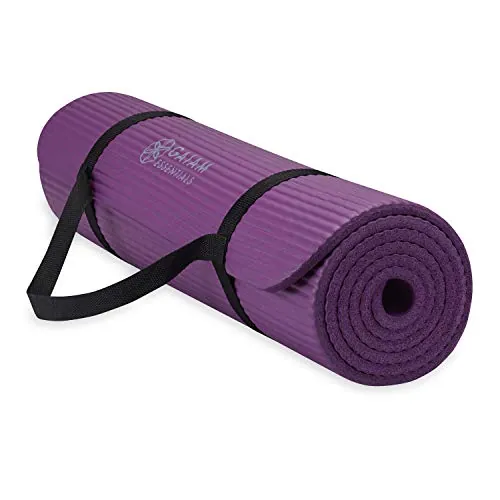
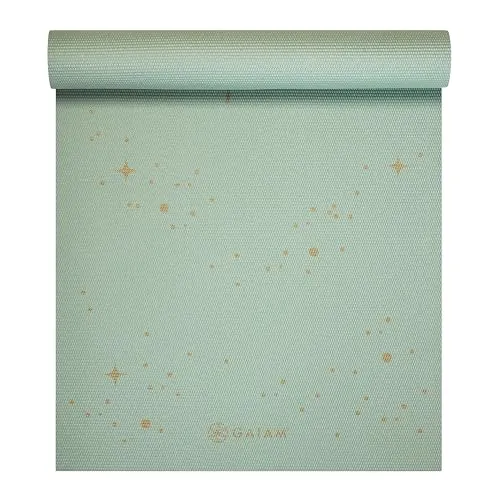
Gaiam Essentials 10mm Thick Yoga & Pilates Mat
- 10mm high-density NBR foam provides notably plush cushioning for floor-based exercise.
Comparison
The Gaiam Essentials 10mm mat and Gaiam Premium Print 6mm mat both suit yoga, Pilates, stretching, and general floor workouts. The Essentials model favors maximum cushioning and easy carrying, while the Premium Print model offers a firmer, more stability-focused platform with reversible designs and a listed lifetime guarantee.
#1 Overall Winner
Contender
Choose the Gaiam Essentials 10mm Mat for extra cushioning, a longer surface, and easier carrying. Choose the Gaiam Premium Print 6mm Mat for a more balanced yoga platform, reversible styling, and listed lifetime guarantee coverage. For Pilates and sensitive joints during floor work, the Essentials mat has the clearer advantage; for yoga poses, the Premium Print is the stronger all-rounder.
Overall winner
Depends on your needs
| Feature | Gaiam Essentials 10mm Thick Yoga & Pilates Mat | Gaiam Premium Print Reversible 6mm Yoga Mat | Winner |
|---|---|---|---|
Primary focus |
Plush cushioning for floor exercise |
Stable cushioned yoga support |
Depends |
Thickness |
10mm (2/5 inch) |
6mm |
Gaiam Essentials 10mm Thick Yoga & Pilates Mat |
Material |
Nitrile butadiene rubber foam |
Polyvinyl chloride |
Depends |
Length |
72 inches |
68 inches |
Gaiam Essentials 10mm Thick Yoga & Pilates Mat |
Width |
24 inches |
24 inches |
Tie |
Weight |
930g |
1.36kg |
Gaiam Essentials 10mm Thick Yoga & Pilates Mat |
Stability for poses |
Soft, comfort-focused foam |
Textured, more support-oriented surface |
Gaiam Premium Print Reversible 6mm Yoga Mat |
Joint cushioning |
Extra-thick foam |
6mm cushioning |
Gaiam Essentials 10mm Thick Yoga & Pilates Mat |
Portability features |
Included adjustable carry strap |
Rollable mat |
Gaiam Essentials 10mm Thick Yoga & Pilates Mat |
Design options |
Classic color options |
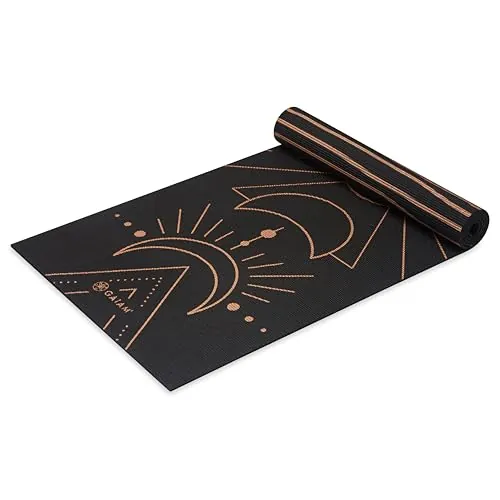
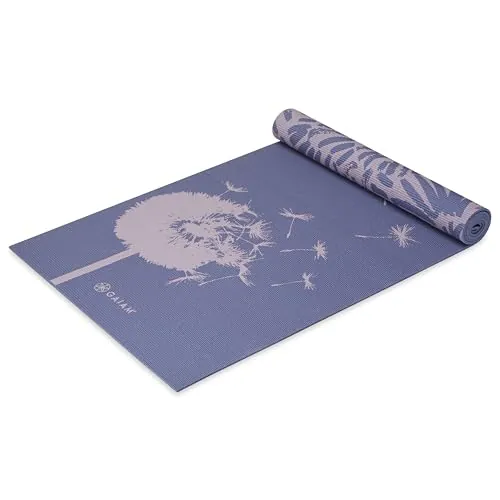
Two reversible printed designs |
Gaiam Premium Print Reversible 6mm Yoga Mat |
Maintenance |
Wipe clean with a damp cloth |
Air out after unwrapping |
Gaiam Essentials 10mm Thick Yoga & Pilates Mat |
Warranty information |
Not provided |
Lifetime guarantee listed |
Gaiam Premium Print Reversible 6mm Yoga Mat |
Supplied price |
$24.98 |
$27.99 |
Depends |
Initial odor reports |
Reported by some buyers |
Reported in listing and reviews |
Tie |
The Essentials mat provides stronger recovery-routine support through its thick, cushioned NBR foam, which can make gentle stretching and low-impact movement more comfortable on unforgiving floors. The Premium Print mat works for cool-down stretching and general mobility, with enough stated cushioning for typical yoga use, but it is not as padded. These mats can support a comfortable exercise environment; they should not be interpreted as treating pain, injury, or any medical condition.
Both mats cover the core needs of a home yoga, Pilates, or bodyweight routine, but their best roles differ. The Essentials mat is more accommodating for floor-based sessions where knees, hips, wrists, or the back spend time in contact with the mat. Its added thickness can make hard wood, tile, or concrete floors more comfortable. The Premium Print mat is more suitable for general yoga practice that includes standing poses, transitions, and alignment work, where a denser, less plush platform can feel more controlled. Neither is presented as a high-impact cardio-specific mat.
Neither product is a load-bearing strength-training tool, but both can support bodyweight strength work such as core exercises, mobility drills, and floor-based calisthenics. The Essentials mat is preferable for kneeling movements, planks, and abdominal work when cushioning is the priority. The Premium Print mat is likely the better option for controlled bodyweight transitions because its construction is less focused on deep foam cushioning. For heavy equipment work, the provided information does not establish either mat as a protective flooring solution.
Mobility, stretching, yoga, and Pilates are the clearest shared use cases. The Essentials mat is particularly well suited to longer floor stretches and supported mobility work because the 10mm foam reduces direct contact with hard floors. The Premium Print mat provides sufficient cushioning while retaining a more supportive surface for yoga sequences that move between standing and floor positions. Choose the Essentials for softness and the Premium Print for a more grounded feel during pose practice.
For gentle post-workout stretching and floor-based recovery routines, the Gaiam Essentials mat has the advantage because its thicker foam is specifically positioned for pressure relief and comfort on hard surfaces. The Premium Print mat can also support stretching and cool-downs, but its 6mm format is better described as moderate cushioning rather than plush padding. Neither product makes a medical recovery claim, and comfort will vary by user and exercise selection.
For their intended use as exercise mats, both products appear effective, supported by high overall buyer ratings and repeated praise for cushioning. The Essentials mat performs best when comfort is central: reviewers frequently mention that the thick foam feels kinder on hard flooring during yoga, stretching, and floor exercise. The Premium Print mat performs more evenly across yoga practice, with many users praising its texture, support, and appearance. There are meaningful caveats on both sides: the Essentials may feel too soft for some balance work, while the Premium Print has mixed reports of traction and slipping, particularly during sweat-heavy practice.
The Essentials mat lowers friction for regular home workouts through its light weight, roll-up format, 72-inch length, and supplied carry strap. Its forgiving surface can make beginners more willing to spend time on the floor for Pilates, core work, or stretching. The Premium Print mat offers a more versatile yoga-training base because its 6mm cushioning is intended to retain support for poses while adding knee comfort. Its online video library may also help new users begin a guided routine. More advanced yoga users may favor the Premium Print's firmer platform, while comfort-first users may prefer the Essentials.
For bodyweight strength sessions, the Essentials 10mm mat provides more comfort for kneeling drills, sit-ups, dead bugs, and prolonged planks on hard floors. Its thick foam can also insulate the user from cold flooring. The Premium Print mat supplies a more stable-feeling base for movements that require hands and feet to remain planted, though its thinner cushioning may be less comfortable for extended kneeling. The available data does not support using either product beneath heavy free weights, machines, or other high-load equipment.
The Essentials mat is the stronger option for passive stretching, floor mobility, and Pilates because its extra-thick foam prioritizes comfort at contact points. The Premium Print mat is better for yoga mobility flows that include standing balances, lunges, and controlled transitions, where excessive softness can be less desirable. Both mats are portable enough for home practice, but the Essentials is lighter and includes a strap. Neither listing establishes a particular advantage for high-intensity, sweat-heavy yoga conditions.
The Essentials mat provides stronger recovery-routine support through its thick, cushioned NBR foam, which can make gentle stretching and low-impact movement more comfortable on unforgiving floors. The Premium Print mat works for cool-down stretching and general mobility, with enough stated cushioning for typical yoga use, but it is not as padded. These mats can support a comfortable exercise environment; they should not be interpreted as treating pain, injury, or any medical condition.
Mat safety here is mainly about secure footing, cushioning, and sensible setup rather than any medical benefit. The Essentials mat offers substantially more padding, which may make floor contact more comfortable, but its softer foam can be less steady for balance-focused poses. The Premium Print mat has the stronger stability profile and a textured surface, though some users still report slipping, especially in sweaty practice. For either product, use it on a clean, dry, level floor and inspect it for wear or tears. Neither listing establishes that the mat prevents falls or injuries.
The Essentials 10mm mat is the clear comfort choice. Its thick NBR foam is designed to reduce pressure during kneeling, stretching, Pilates, and bodyweight work, and buyer feedback repeatedly highlights the difference it makes on hard floors. The Premium Print mat is still frequently described as cushioned and comfortable, especially for knees and wrists, but its 6mm construction offers a more moderate level of padding. Users who prefer a firmer, less yielding surface may still find the Premium Print more comfortable for yoga practice.
Both mats are straightforward: unroll them for a session and roll them back up afterward. The Essentials model is easier to manage between rooms or on the way to class because it is lighter in the supplied specifications and includes an adjustable carrying strap. It can be wiped with a damp cloth. The Premium Print mat is also described as easy to roll and use, but it weighs more and needs an initial airing-out period. Both may require time to lie fully flat after being stored rolled.
The Premium Print mat is the better option for stability. Its 6mm cushioning and textured, yoga-focused surface aim to provide a firmer base for maintaining alignment and moving between poses. The Essentials mat has a textured surface and some users report good grip, but its 10mm foam is softer and several reviews note that balance can be harder on it. Actual traction can vary with flooring, technique, and perspiration for either model.
The Premium Print mat has the edge for dry yoga grip because it is specifically described as textured and non-slip, and many buyers report reliable traction. However, other users find it slippery when they sweat heavily. The Essentials mat also has a textured foam surface and positive dry-use feedback, but it is designed more around cushioning than firm traction. Neither listing supports a guarantee of slip-free use in every workout condition.
Both mats are space-efficient home workout accessories because they roll up when not in use and share a 24-inch width. The Essentials mat is four inches longer, so it requires slightly more floor length during training, but it is lighter and has a strap for compact storage and transport. The Premium Print mat has a shorter training footprint but weighs more. Neither is foldable according to the supplied data, so users should plan for rolled storage rather than flat or folded storage.
Neither mat is a meaningful source of machine or impact noise. Both can provide a softer surface for floor-based movements than exercising directly on hard flooring, but the supplied product information does not quantify sound reduction. Noise differences should not be a major deciding factor between these two yoga and Pilates mats.
The two mats are built for different surface feel rather than radically different workout categories. The Essentials uses soft, high-density NBR foam and includes a strap; reviewers often call it comfortable and easy to roll, although some report holes or tearing. The Premium Print uses PVC with a textured surface and printed reversible faces. It receives positive feedback for design, texture, and perceived quality, but durability reports are not uniform. On the supplied information, the Premium Print has the modest build-quality edge, while the Essentials is the more comfort-led construction.
Durability is a caution area for both mats. Some Essentials owners describe reliable everyday use, but other reviews report small holes or tearing after limited use. The Premium Print mat also has both favorable longer-term reports and complaints that it does not hold up well. Its listed lifetime guarantee is an important practical advantage if warranty coverage is a deciding factor. Neither mat has enough consistently positive durability evidence in the supplied data to be described as clearly superior for intensive wear.
The Essentials mat has clearer day-to-day care instructions: wipe it clean with a damp cloth, while the supplied specifications also list hand wash only. It may need airing out for 24 to 48 hours after opening. The Premium Print mat's supplied care information focuses on unrolling and airing it out for two to three days because of its initial odor. Both should be kept clean and stored rolled, but the available information favors the Essentials for simpler stated routine maintenance.
The Gaiam Essentials mat is more portable based on the supplied specifications. It weighs 930g, rolls up quickly, and comes with an adjustable carrying strap. The Premium Print mat also rolls up and is described by reviewers as travel-friendly, but its stated weight is 1.36kg and no carrying strap is listed. Users walking to classes or frequently moving a mat between rooms may appreciate the Essentials model's lower weight and included strap.
Material disclosure is clearer than it often is for basic exercise mats. The Essentials mat is identified as nitrile butadiene rubber and described as high-density NBR foam, while the Premium Print model is identified as polyvinyl chloride and stated to be free of the top six most harmful phthalates. Gaiam also provides initial odor guidance for both. The supplied data does not provide a fuller chemical composition, manufacturing detail, or independent materials testing for either mat, so broader material comparisons would be speculative.
Both mats are priced closely enough that value should be based on training priorities rather than cost alone. The Essentials mat costs less in the supplied data while providing 10mm cushioning, a longer 72-inch format, lower weight, and an included strap. That makes it compelling for comfort-focused home exercise. The Premium Print costs slightly more but adds reversible designs, online video access, a more stability-oriented profile, and a listed lifetime guarantee. For yoga pose practice and warranty-conscious buyers, those additions can justify the difference; for cushioning, the Essentials is the more efficient purchase.
This is a same-brand comparison, so there is no meaningful brand-versus-brand advantage. Both mats are sold under Gaiam and have large volumes of generally favorable customer feedback. The Premium Print listing provides a lifetime guarantee and material information about the top six harmful phthalates, while the Essentials listing clearly identifies its NBR material, dimensions, care approach, and included strap. Product-level evidence is more useful than broad brand assumptions here, especially given mixed durability and odor feedback for both.
Both products have strong customer reception, with high star ratings and substantial review counts. The Essentials receives particularly consistent praise for its thick cushioning, comfort, portability, and price. Its recurring negatives are odor, mixed durability, and a softer feel that may not suit balance work. The Premium Print receives frequent praise for its attractive reversible designs, comfort, and yoga traction, with a slightly stronger overall buyer-satisfaction profile in the supplied data. Its recurring concerns are initial odor and inconsistent reports about grip and wear. Feedback patterns suggest both are well liked, not flawless.
The Premium Print mat has the clear support advantage because a lifetime guarantee is explicitly listed. The supplied information does not provide the claim process, exclusions, or replacement terms, so buyers should verify those details before purchase. No warranty or support coverage was provided for the Essentials mat. The reported missing strap in one review also makes it sensible to check the package contents on arrival.
Most of the central product claims are supported by stated specifications and broadly aligned customer feedback. The Essentials has disclosed 10mm NBR foam, 72-by-24-inch dimensions, light weight, and a strap; reviewers commonly confirm its cushioned feel. The Premium Print lists 6mm cushioning, PVC material, reversible designs, video access, and a lifetime guarantee; reviews often support its comfort and visual design. Claims around non-slip performance and durability are less consistent because some buyers report slipping or early wear. Initial odor is disclosed rather than hidden for both products.
The Gaiam Premium Print Reversible 6mm Yoga Mat is the better all-round pick for yoga users who want a balance of cushioning, support, textured traction, visual variety, and listed lifetime guarantee coverage. Its main limitation is that reviews are not fully consistent on grip and durability, and it may need airing out after opening.
The Gaiam Essentials 10mm Mat is the better comfort-first choice. Its main strengths are thick NBR foam, a longer surface, a lighter stated weight, and an included carry strap, making it especially practical for Pilates, stretching, and hard-floor workouts. Its limitations are softer stability under balance poses and mixed wear feedback. Neither choice is universally best: select the Premium Print for pose control and the Essentials for generous padding.

Overall winner
Depends on your needs
The better choice depends on the workout. The Gaiam Essentials is the stronger option for plush cushioning during Pilates, stretching, and hard-floor exercise. The Gaiam Premium Print is better suited to users who want a firmer, more stable-feeling surface for yoga poses, along with reversible designs and a listed lifetime guarantee.
The Gaiam Essentials mat has more stated cushioning: it uses 10mm high-density NBR foam, compared with the Premium Print mat's listed 6mm cushioning. That additional thickness can be useful for floor exercises where knees, hips, wrists, or the back contact hard flooring. It may, however, feel softer under balance poses.
The Gaiam Premium Print Reversible mat is the more appropriate pick for balance-oriented yoga based on its textured, non-slip positioning and stronger stability profile. The Essentials mat has a textured surface too, but its thicker, softer foam is more comfort-focused. Grip experiences remain mixed for both mats, especially when sweat is a factor.
The Gaiam Essentials 10mm mat is the more suitable option for many Pilates and floor-workout users because its thick NBR foam prioritizes cushioning. It is also longer at 72 inches and includes a carry strap. The Premium Print mat remains a versatile alternative if you prefer a denser, more supportive feel over maximum padding.
Both mats roll up for storage, making them practical for home workouts. The Essentials mat is lighter in the supplied specifications and includes an adjustable carrying strap, giving it the portability edge. The Premium Print mat is also described by reviewers as easy to roll and carry, but it weighs more and no strap is listed.
Yes, an initial odor is noted for both products. Gaiam advises airing out the Premium Print mat for two to three days. For the Essentials foam mat, the supplied details state that any initial odor typically fades after 24 to 48 hours of airing out. Individual buyer experiences with odor vary.
The Premium Print mat has a modestly higher supplied price, but it adds reversible designs, video access, and a listed lifetime guarantee. The Essentials mat costs less and supplies more cushioning, a longer length, lower weight, and a carry strap. Choose based on whether plush padding or yoga-focused stability and warranty coverage matter more.
Neither mat has uniformly positive durability feedback. Many reviewers describe both as good quality or sturdy, but other buyers report tearing, holes, or limited durability. The Premium Print model has a listed lifetime guarantee, which is meaningful support information, while the Essentials listing provides no warranty details. Review feedback should be treated as individual experience, not proof of expected lifespan.
Check our rankings and expert guides to find the best fitness products for your goals.